


Functional & Low-Dose Radiation Therapy
 Chronic joint pain from osteoarthritis (OA) and other degenerative conditions are a leading cause of disability, particularly in aging populations. OA affects hundreds of millions globally and is associated with persistent pain, reduced mobility, and diminished quality of life.¹
Low-Dose Radiation Therapy (LDRT) is a non-invasive, evidence-based treatment that reduces inflammation and alleviates pain using radiation doses far below those used in oncology. With decades of clinical use in Europe, LDRT is gaining renewed attention as a safe and effective option, particularly for patients with persistent symptoms despite conservative therapy.¹
Interested in implementing LDRT in your clinic? Learn about JointGlow, a physician-led platform built around the most proven, least invasive treatment for chronic joint pain available today.
Interested in LDRT positioning solutions?
Request LDRT Product Information
This information is provided for educational purposes only. CQ Medical is a medical device company and does not provide medical advice, diagnose conditions, or make treatment recommendations. Treatment decisions should be made by licensed healthcare professionals.
CLINICAL EFFICACY & PATIENT IMPACT
- ~70% of patients reported pain improvement following LDRT for hand osteoarthritis (n=483)², and response rates across studies typically show meaningful pain relief in the majority of patients (60–70%), with higher rates reported in some cohorts.1, 3
- Benefits include: sustained pain reduction, improved joint mobility and function, and enhanced quality of life.1
- LDRT is well tolerated, with minimal acute side effects and a very low risk profile at therapeutic doses.1, 5
- LDRT targets inflammatory pathways rather than tissue destruction, reducing pain over time.1, 5
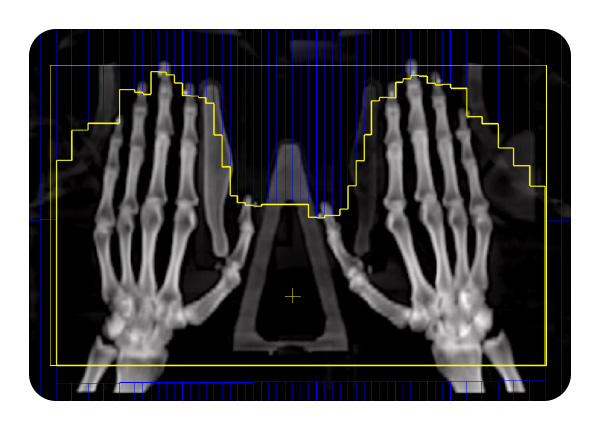 TREATING WITH LDRT
Patient Selection
LDRT is best suited for patients with chronic osteoarthritis or inflammatory joint disease; inadequate response to medications; or contraindications to surgery or invasive procedures.¹ Optimal outcomes are typically seen in early- to mid-stage disease.¹
Typical Regimen
• 0.5–1.0 Gy per fraction
• Total dose: 3–6 Gy per course1, 3
• Delivered 2–3 times per week over 2–3 weeks1
• Repeat treatment may be considered after 6–12 weeks if needed1
• Lower-dose fractionation (0.5 Gy) is increasingly preferred2, 3
Beyond Osteoarthritis
LDRT is also used to treat1:
- Tendinopathies (e.g., plantar fasciitis, epicondylitis)
- Periarthritis and bursitis
- Degenerative spine conditions
- Early-stage Dupuytren’s disease
Treatment decisions, patient eligibility, and dose prescriptions are determined by qualified healthcare professionals based on individual patient needs.
|
"Low-dose radiotherapy is a safe, non-invasive option that directly targets inflammation, delivering significant pain relief and improved mobility without the risks of surgery. It's a true game-changer for patients seeking lasting, clinically guided results." BOBBY KONERU, MD, FASTRO |

PURPOSE-BUILT POSITIONING SOLUTIONS
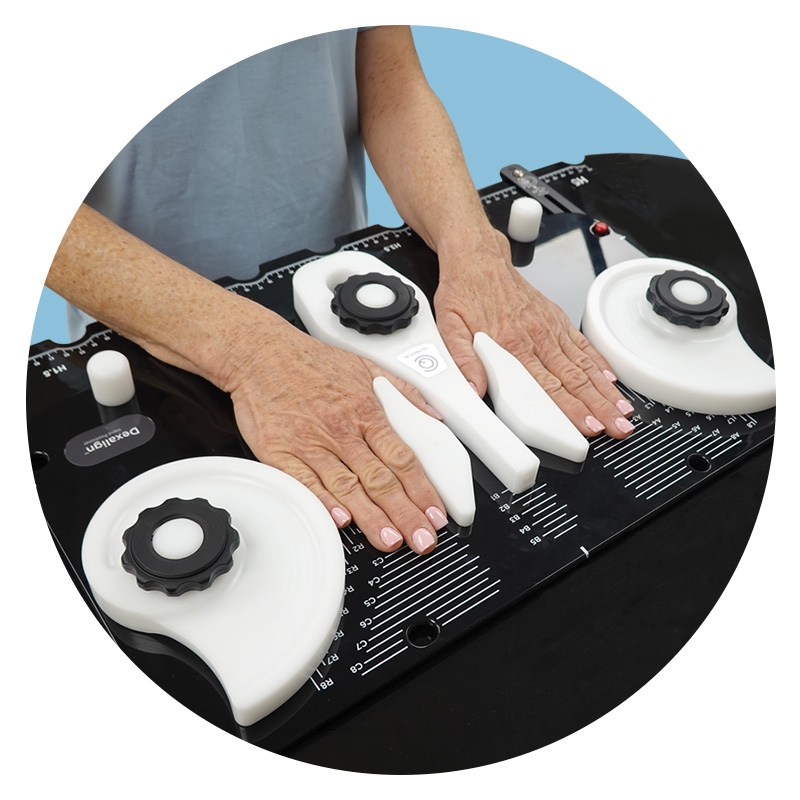
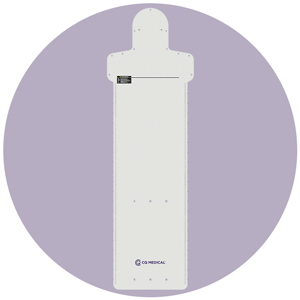
Dexalign Hand Positioner
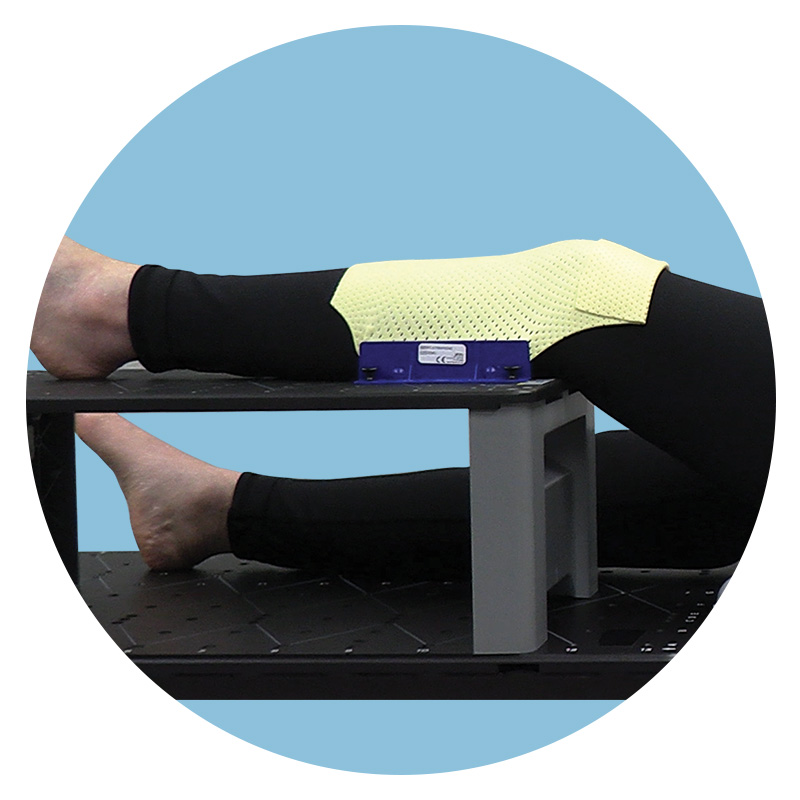
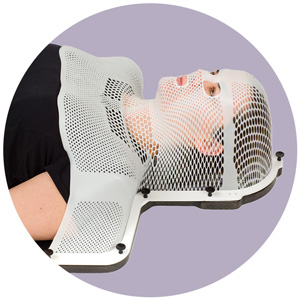
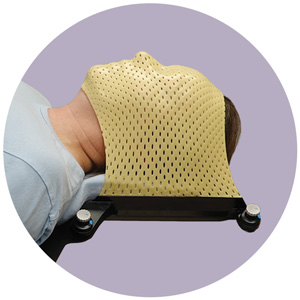
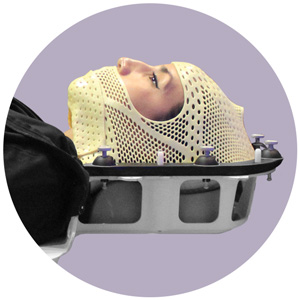
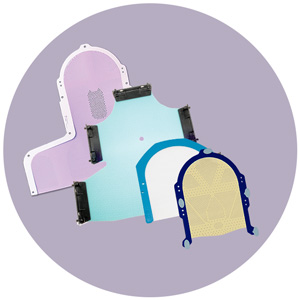
MultiFix 2 & Extremity Thermoplastics
At CQ Medical, we believe great healthcare is achieved by blending advanced technology with genuine human connection. Our mission is to develop innovative radiotherapy solutions that prioritize both clinical precision and patient comfort — a philosophy we call our Care Quotient (CQ). By combining intelligence (IQ) with empathy (EQ), we create purpose-built devices that support treatment accuracy, workflow efficiency, and compassionate care. Guided by close collaboration with clinicians and a deep understanding of patient experiences, CQ Medical continues to lead the way in patient positioning and radiotherapy innovation, transforming ideas into meaningful solutions that improve outcomes for patients and care teams alike.
WATCH VIDEO FOR ADDITIONAL INSIGHTS
GET STARTED WITH AN LDRT PROGRAM CONSULTATION
REFERENCES
- German Society for Radiation Oncology (DEGRO). S2e guideline: radiotherapy of benign diseases. Version 3.0. Published 2022
- Donaubauer AJ, Zhou JG, Ott OJ, et al. "Low Dose Radiation Therapy, Particularly with 0.5 Gy, Improves Pain in Degenerative Joint Disease of the Fingers: Results of a Retrospective Analysis". Int J Mol Sci. 2020 Aug 14;21(16):5854
- The Use of Low-Dose Radiation Therapy in Osteoarthritis: A Review, Austin P.H. Dove, MD - Department of Radiation Oncology, Vanderbilt University Medical Center, Nashville, Tennessee - Apr 21, 2022
- Torres Royo L, Antelo Redondo G, Arquez Pianetta M, et al. Lowdose radiation therapy for benign pathologies. Rep Pract Oncol Radiother 2020;25:250–254
- Weissmann T., Rückert M., Putz F., Donaubauer A.J., Hecht M., Schnellhardt S., et al. Low-dose radiotherapy of osteoarthritis: from biological findings to clinical effects-challenges for future studies. Strahlenther Onkol. 2023